Dust mite allergy is one of the most common respiratory allergies. It can cause bothersome symptoms such as a blocked nose, sneezing, itching, coughing, or sleep disturbances. Dust mites mainly thrive in bedding, textiles, and warm, humid environments.
Dust mites are tiny arachnids, invisible to the naked eye, measuring between 0.1 and 0.5 mm. They feed mainly on human skin flakes, hair, mold, and household dust.
The preferred habitat?
bedding, where warmth, humidity and darkness promote their development.
carpets, rugs
the sofas
Stuffed animals
the curtains
Triggering of the allergy?
Dust mite allergy is triggered by inhaling proteins found on the dust mites themselves and in their droppings. These allergens cause an exaggerated immune system reaction in sensitive individuals, resulting in allergic symptoms.
The symptoms?
Allergic rhinitis: blocked nose, clear nasal discharge, frequent sneezing, itching of the nose, palate and/or ears.
Conjunctivitis: red, watery eyes, itchy eyes and a feeling of grit in the eyes.
Allergic asthma: dry cough, chest tightness, wheezing, difficulty breathing especially at night and upon waking.
Fatigue and sleep disturbancesrelated to respiratory discomfort during the night.
How to protect yourself from dust mites in the bedroom?
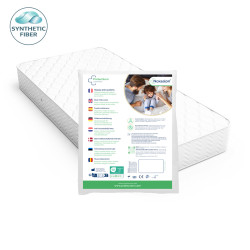
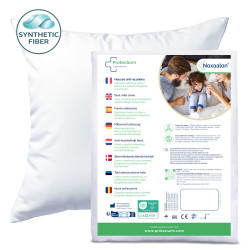
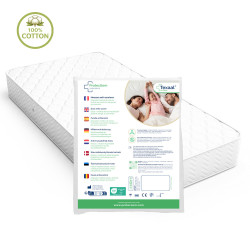
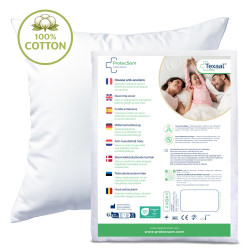
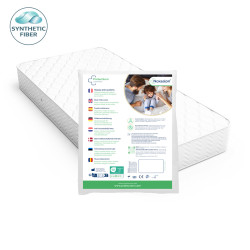
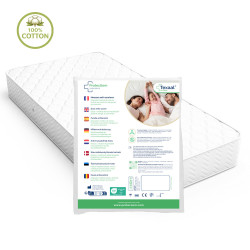
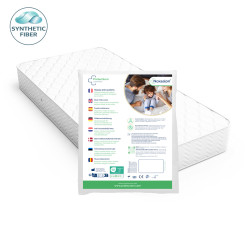
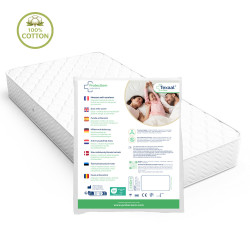
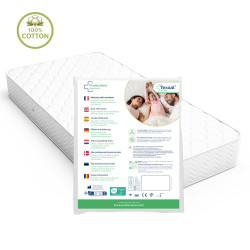
Useanti-mite fitted sheetsthat completely enclose the mattress (thanks to the zipper) and anti-mite pillowcases.
Choose amedical gradefitted sheet "MD"
Air your mattress regularly and, if possible, in the sun.
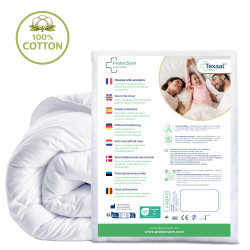
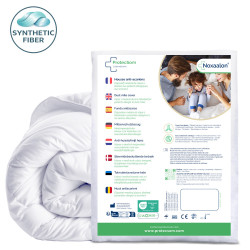
Wash your duvets and pillows three times a year, or use anti-miteduvet coversandpillowcases.
DO NOT use toxic chemical anti-mite sprays. These can cause allergic reactions due to the presence of permethrin. We are primarily allergic to dust mite droppings.
Do not heat the room above 19°C
Dust mite allergy and sleep-disordered breathing (SDB)
Sleep disorders, including obstructive sleep apnea syndrome, are sometimes associated with allergy attacks. These allergies manifest as chronic rhinitis, which causes nasal congestion during the night. Even a simple blocked nose can disrupt sleep quality and worsen sleep-related breathing problems. A blocked nose promotes snoring and daytime fatigue, both indicators of poor sleep quality.
Link between chronic rhinitis and sleep disorders:
Allergies in general, and dust mite allergies in particular, have negative effects on sleep quality. The more severe the allergic rhinitis, the more sleep quality deteriorates. These phenomena are present in both adults and children. 60% of childrenwith allergic rhinitis (which may be caused by dust mites)snore.
Link between chronic rhinitis and obstructive sleep apnea syndrome:
Obstructive sleep apnea affects between 5 and 15% of the adult population. Chronic rhinitis affects an average of 20 to 30% of the population. The likelihood of developing obstructive sleepapnea (OSA) increases by 44% in adultswith allergic rhinitis.