Snoring and sleep apnoea: understanding and treatment
Snoring and sleep apnea
Right of withdrawal valid only on unused products and/or where the sealed packaging is intact.
Snoring
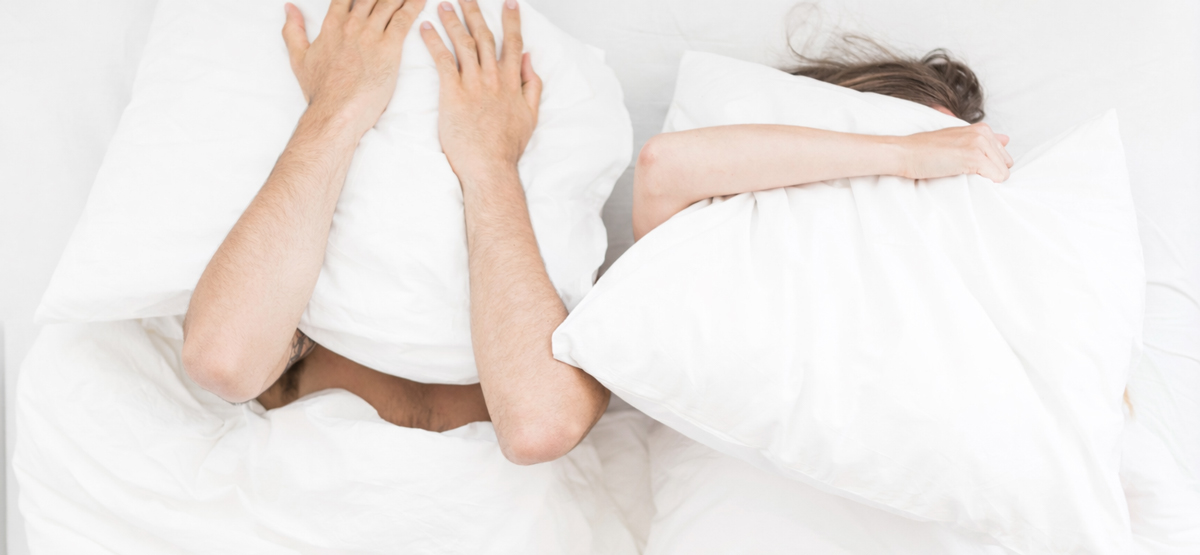
Snoring is often perceived as a simple noise nuisance, mainly for the partner. However, it can sometimes indicate a more serious disorder, such as sleep apnea.
It is estimated that approximately 30% of the population snores. From the age of 40, this proportion reaches nearly 60% of men and 40% of women.
In the most severe cases, snoring can reach up to 100 decibels—a noise level comparable to that of a motorcycle—disrupting not only the sleep of the partner but also that of the snorer themselves.
It is important to note that while the majority of people with sleep apnea snore, not all snorers necessarily have sleep apnea.
Sleep apnea
Sleep apnea syndrome is characterized by repeated pauses in breathing during sleep. Their duration and frequency vary from person to person.
Often, it is the partner who first notices the breathing pauses. For the affected person, the symptoms are more insidious:
• Persistent fatigue
• Daytime sleepiness
• Difficulty concentrating
• Memory problems
• Decreased libido
Without treatment, sleep apnea can lead to more serious complications such as:
• High blood pressure
• Cardiovascular problems
• Depression
• Worsening of existing medical conditions
It is estimated that approximately 5% of the population is affected by sleep apnea, but many cases remain undiagnosed and untreated.
Diagnosis and severity
Diagnosis is based on a sleep study called polysomnography. The severity of the syndrome is assessed using the Apnea-Hypopnea Index (AHI), which corresponds to the number of respiratory events per hour:
• Mild: 5 < AHI < 15
• Moderate: 15 < AHI < 30
• Severe: AHI > 30
Take the Sleep Apnea Risk Test or download the NoSAS score app (Google Play and App Store). Test developed by the CHUV (Lausanne University Hospital).
Sleep apnea isn't characterized by specific symptoms, however, here are some to watch for: reports from a partner, pauses in breathing during sleep, snoring, daytime sleepiness, obesity, dry mouth in the morning, and headaches. Smoking, alcohol consumption, certain medications, and chronic illnesses should also be considered as contributing factors.
Main causes of snoring and sleep apnea
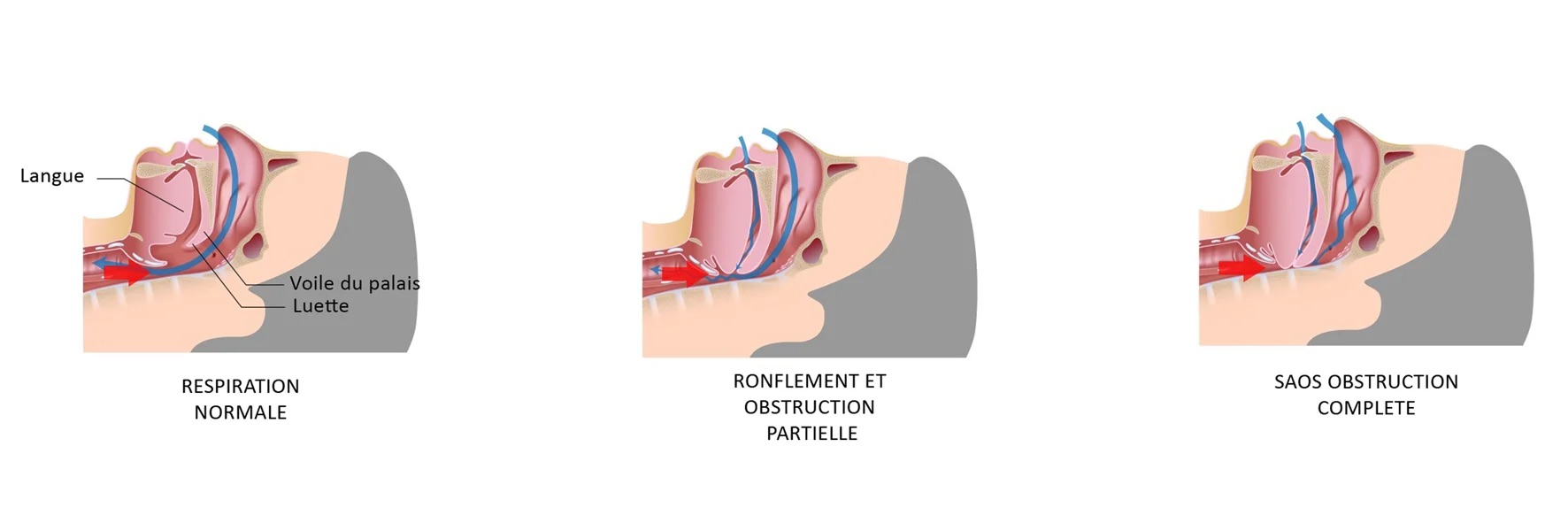
Weakening of throat muscle tone and retraction of the back of the tongue narrow the airway during sleep, causing turbulence that leads to vibration of the soft palate and pharynx, resulting in snoring and noise.
Sleep apnea is a progression toward a more severe obstruction of the airway, characterized by pauses in breathing of varying intensity. This warrants a medical consultation.
Aggravating factors of snoring:
Excess weight Alcohol consumption in the evening Smoking Sleeping pills and tranquilizers Sleeping on your back Severe fatigue Dry nasal passages Deviated septum
Treatments
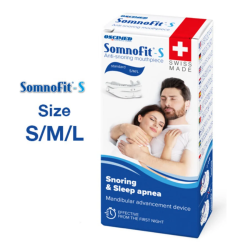
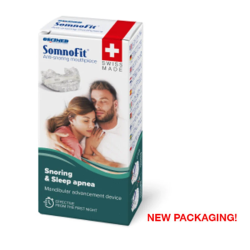
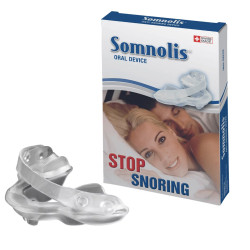
MANDIBULAR ADVANCEMENT ORTHOSES:
It is an oral device, similar to boxers' mouthguards, which slightly advances the lower jaw, thus allowing free air circulation at the level of the pharynx and eliminating snoring.
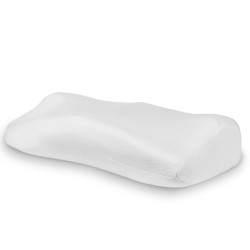
This is a pillow specially designed so that the sleeper positions themselves on their side, thus preventing the bottom of the tongue from falling into the throat and causing snoring.